Loading...
Serving Apache Junction, AZ and surrounding areas. (480) 919-9947
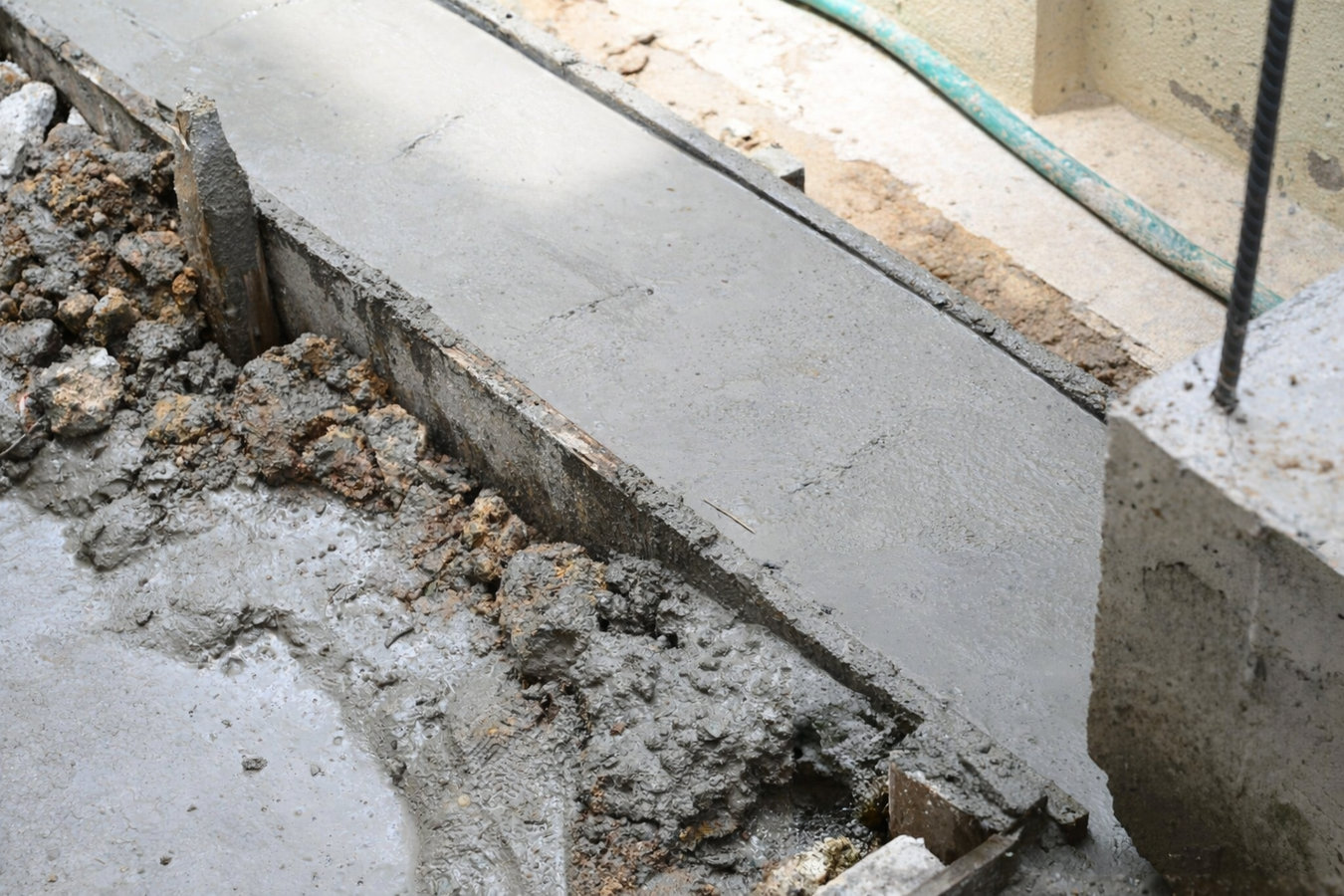
A sunken or uneven slab does not have to mean a full replacement. Foundation raising lifts your concrete back to level in hours, not days, without tearing up your yard.
Foundation raising in Apache Junction uses mudjacking or expanding foam to fill voids beneath a sunken slab and push it back to its original level position - small holes are drilled through the concrete, material is pumped underneath, and the holes are patched when the work is done; most residential jobs are completed in a single day and the surface is walkable within an hour.
If a section of your driveway, patio, garage floor, or walkway has dropped noticeably lower than the surrounding concrete, the problem is almost always the soil underneath. In Apache Junction, that soil absorbs moisture during monsoon rains and then dries out and shrinks - that repeated movement pulls support away from the slab gradually, season after season. Foundation raising fixes the symptom and, when done right, addresses what caused it.
For situations where the slab itself is too damaged to lift, a full replacement may be the better path. Homeowners dealing with a new build or addition also often need a slab foundation rather than a repair.
When a slab shifts even a small amount, door frames and window frames shift with it. If a door that used to swing freely now drags on the floor or does not latch, or a window that opened easily now sticks, the floor beneath it may have moved. This is one of the earliest and most noticeable signs that something is happening with your foundation.
Hairline cracks in tile are common in Arizona's heat, but cracks that run diagonally from door corners or that seem to grow over time are worth taking seriously. In Apache Junction, cracks often appear or worsen in late summer after the monsoon rains. If you are seeing new cracks after monsoon season, that is a specific local signal to act on.
Sunken concrete is easy to spot - one section of a patio, driveway, or garage floor sits noticeably lower than the sections next to it, creating a lip or step where there was not one before. Water may pool in that low spot after rain. That uneven surface is also a trip hazard, especially for older family members.
If a gap is opening between your home's exterior wall and the concrete slab, or between porch steps and the main slab, the slab is pulling away from the structure. In Apache Junction's caliche-heavy soil, this can happen gradually over years and then seem to accelerate after a particularly wet monsoon season. Gaps tend to grow - this one is worth acting on promptly.
We lift sunken slabs for driveways, patios, pool decks, garage floors, sidewalks, and interior floors throughout Apache Junction and the East Valley. Before any work is recommended, we assess the slab and the soil beneath it - a slab that is cracked beyond repair needs replacement, and lifting it would be a waste of your money. When raising is the right call, we give you a straight answer on which method fits your situation. For homeowners who need adjacent concrete work done at the same time, we also offer concrete cutting to remove and replace sections that cannot be lifted.
Apache Junction's caliche layer means drilling takes more effort and equipment than softer soils require - we factor that into our estimates from the start, so you are not hit with a price change mid-job. We schedule work in spring and fall when possible to take advantage of stable, dry soil, and we use curing protection on any patching done during summer. The Foundation Repair Association provides industry guidance on mudjacking and foam lifting standards that inform how the work is done.
A cement-and-soil slurry pumped under the slab - a proven, cost-effective option for homeowners with a larger area to lift on a tighter budget.
An expanding foam that hardens quickly, weighs less than slurry, and tends to last longer in Apache Junction's reactive soils - best for slabs with ongoing soil movement.
Lifts sunken driveway sections and walkway panels to eliminate trip hazards and restore proper drainage away from the home.
Raises outdoor concrete surfaces back to level without tearing up landscaping or disrupting adjacent tile work.
Apache Junction sits on desert soils that include caliche - a hard, calcium-rich layer that forms naturally in the Sonoran Desert - as well as areas of expansive clay that absorb moisture and swell during monsoon rains. When that soil dries out again in the fall, it contracts and pulls away from the underside of slabs. Season after season, that cycle creates the voids that cause concrete to sink. This is not a defect in the concrete - it is a predictable consequence of building in this climate, and it is why foundation raising is more common in the East Valley than in most parts of the country. We serve homeowners in Gold Canyon and across the region where these same soil conditions are present.
Apache Junction also has a significant share of older homes and manufactured homes - many built in the 1970s and 1980s - where shallow or undersized foundations have been accumulating soil movement for decades. Homeowners in these properties often discover a sunken section all at once after a particularly wet monsoon season. Timing the repair for late winter or early spring, before the next monsoon cycle begins, gives the lifted slab the best chance to stabilize in dry, settled soil. Homeowners in San Tan Valley face the same reactive soil conditions and benefit from the same pre-monsoon scheduling approach.
Call or submit a contact form and tell us what you are seeing - where the low spot is, how long it has been noticeable, and whether you have seen any cracks nearby. We respond within one business day to schedule a site visit.
We walk the area, examine the slab and the soil around it, and check for caliche near the surface. This visit is free, and it is the step that determines whether lifting is the right solution or whether replacement is a better answer for your situation.
After the assessment, you receive a written estimate that explains what work will be done, which method is recommended for your soil and slab conditions, and what the total cost will be - including patching the drill holes.
The crew drills, pumps, and levels - most residential jobs wrap up in a few hours. Holes are patched before the crew leaves. You can walk the surface within an hour; vehicles can return within 24 hours.
Free on-site assessment, written estimate, no obligation. We factor in Apache Junction soil conditions from the start.
(480) 919-9947We check the slab and the soil before recommending a method. If the underlying cause is not addressed, a lifted slab will sink again - sometimes within a year or two. Finding out what is happening underground first is how we give you a result that holds.
Apache Junction's caliche layer adds drilling time and equipment wear that some contractors leave out of initial estimates. We factor it in upfront, so the number we give you is the number you pay. No mid-job surprises.
Lifting before monsoon season - when the soil is dry and stable - gives the slab the best chance to settle into position before the rains arrive. We help homeowners plan their projects around Apache Junction's seasonal soil cycle, not just around contractor availability.
When a permit is required for structural foundation work in Apache Junction, we pull it. The Arizona Registrar of Contractors requires licensed contractors for structural repair - having a permitted, documented job protects you when it is time to sell.
Every foundation raising job we take on starts with an honest assessment - if lifting is not the right answer, we tell you. That approach is how we stay busy in Apache Junction year after year.
Precise concrete cutting for damaged sections, new openings, and control joint restoration throughout Apache Junction.
Learn MoreNew slab foundations for additions and structures built to Apache Junction permit and soil requirements.
Learn MoreCall now or request a free estimate - early spring appointments fill up quickly in Apache Junction.